


Hey there, fellow farming enthusiasts! As a supplier of 2wd farm tractors, I often get asked about the maximum lifting capacity of a 2wd farm tractor's hydraulic system. It's a crucial question, especially when you're looking to get the most out of your tractor for various farming tasks. So, let's dive right in and explore this topic in detail.
First off, what exactly is a 2wd farm tractor? Well, a 2wd (two-wheel drive) tractor is a common type of tractor used in agriculture. It's powered by an engine and has two wheels that drive the tractor forward or backward. These tractors are versatile and can be used for a wide range of tasks, from plowing fields to mowing lawns.
Now, let's talk about the hydraulic system. The hydraulic system in a tractor is like its muscle. It uses fluid pressure to generate force, which is then used to lift and lower implements attached to the tractor. This system is essential for tasks like lifting heavy loads, such as bales of hay or large equipment.
The maximum lifting capacity of a 2wd farm tractor's hydraulic system can vary widely depending on several factors. One of the most important factors is the size and power of the tractor. Generally, larger and more powerful tractors will have a higher lifting capacity. For example, a small Farm Tractor Small might have a lifting capacity of around 500 to 1,000 pounds, while a larger, more heavy-duty model could lift up to 3,000 pounds or more.
Another factor that affects the lifting capacity is the design of the hydraulic system itself. Some tractors have more advanced hydraulic systems that are capable of generating more force. These systems might use larger pumps, higher pressure ratings, or more efficient valves to increase the lifting power.
The type of implement being lifted also plays a role. Different implements have different weights and center of gravity, which can affect how much the tractor can safely lift. For instance, a wide and heavy plow might require more lifting capacity than a lightweight mower.
Let's take a closer look at some common types of 2wd farm tractors and their typical lifting capacities.

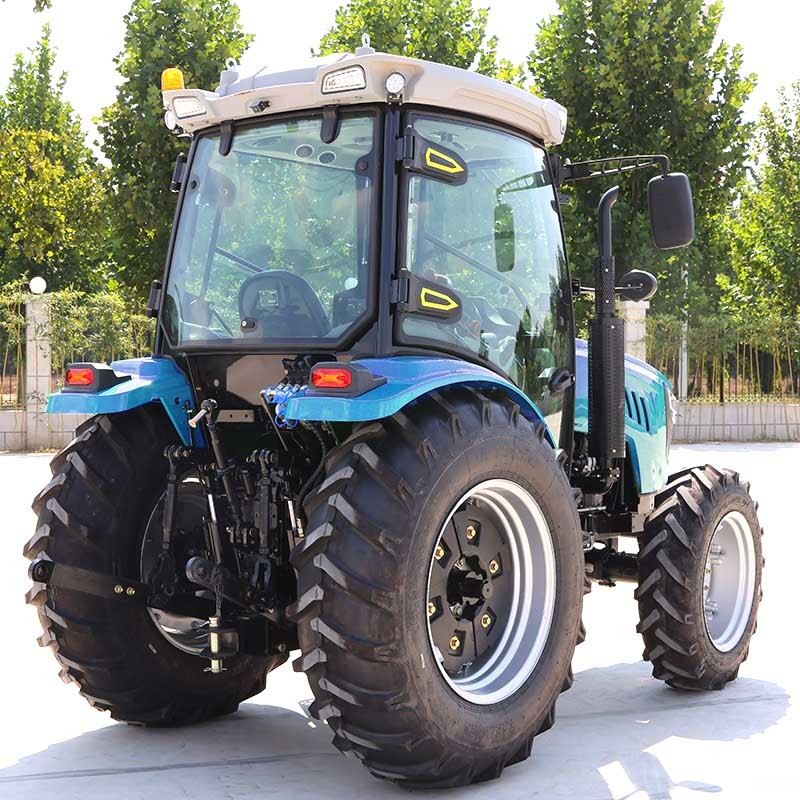
Lawn Farm Tractor
A Lawn Farm Tractor is often used for smaller-scale tasks, such as mowing lawns, pulling small trailers, or moving light loads around the yard. These tractors are usually on the smaller side and have a relatively lower lifting capacity. On average, a lawn farm tractor might have a lifting capacity of between 500 and 1,500 pounds. This is sufficient for most lawn and garden tasks, but if you need to lift heavier items, you might want to consider a larger tractor.
Mini Tractor For Agriculture
Mini Tractor For Agriculture are becoming increasingly popular, especially for small farms or hobby farmers. These tractors are compact and maneuverable, but they still pack a punch when it comes to lifting capacity. A typical mini tractor for agriculture can lift anywhere from 1,000 to 2,000 pounds. This makes them suitable for tasks like tilling small fields, lifting small bales of hay, or operating light-duty implements.
Medium to Large 2wd Farm Tractors
For more heavy-duty farming tasks, medium to large 2wd farm tractors are the way to go. These tractors have more powerful engines and larger hydraulic systems, which allow them to lift heavier loads. Depending on the model, they can have a lifting capacity ranging from 2,000 to 3,500 pounds or even more. These tractors are ideal for tasks like plowing large fields, lifting heavy equipment, or transporting large amounts of materials.
It's important to note that the maximum lifting capacity is not the only thing to consider when choosing a tractor. You also need to think about the tractor's overall performance, fuel efficiency, ease of use, and maintenance requirements. A tractor with a high lifting capacity might not be the best choice if it's difficult to operate or expensive to maintain.
So, how do you determine the right lifting capacity for your needs? The first step is to make a list of the tasks you'll be using the tractor for. Consider the weight and size of the implements you'll be using, as well as the frequency of use. If you're mainly going to be using the tractor for light tasks like mowing and moving small loads, a tractor with a lower lifting capacity might be sufficient. But if you'll be doing more heavy-duty work, such as plowing or lifting large bales of hay, you'll need a tractor with a higher lifting capacity.
Once you have a good idea of your requirements, you can start looking at different tractor models. Compare the lifting capacities, as well as other features and specifications, to find the tractor that best suits your needs and budget.
As a 2wd farm tractor supplier, I'm here to help you make the right choice. We offer a wide range of 2wd farm tractors with different lifting capacities and features to meet the needs of every farmer. Whether you're a small-scale hobby farmer or a large commercial operation, we have the perfect tractor for you.
If you're interested in learning more about our tractors or have any questions about the maximum lifting capacity of a 2wd farm tractor's hydraulic system, don't hesitate to get in touch. We're always happy to answer your questions and help you find the right tractor for your farm. Just reach out to us, and we'll start the conversation about your farming needs and how we can assist you.
In conclusion, the maximum lifting capacity of a 2wd farm tractor's hydraulic system is an important factor to consider when choosing a tractor. By understanding the factors that affect the lifting capacity and matching it to your specific needs, you can ensure that you get a tractor that will perform well and help you get the job done efficiently. So, take the time to do your research, compare different models, and don't be afraid to ask for help. We're here to make your farming experience as smooth and productive as possible.
References
- Agricultural Machinery Handbook
- Tractor Manufacturer Specifications


