


As a supplier of 4wd 40hp Farm Tractors, I understand the importance of maintaining the proper belt tension in these powerful machines. A well - adjusted belt is crucial for the efficient operation of various components in the tractor, such as the alternator, water pump, and power steering pump. In this blog, I'll share a detailed guide on how to adjust the belt tension in a 4wd 40hp Farm Tractor.
Why is Belt Tension Important?
Before diving into the adjustment process, it's essential to understand why proper belt tension matters. A belt that is too loose can slip, causing a loss of power transfer to the driven components. This can lead to overheating of the engine, reduced charging of the battery, and inefficient operation of the tractor. On the other hand, a belt that is too tight can put excessive stress on the bearings of the pulleys and the belt itself, leading to premature wear and potential failure.
Tools Required
To adjust the belt tension in your 4wd 40hp Farm Tractor, you'll need the following tools:
- A socket wrench set: This will be used to loosen and tighten the bolts that hold the belt - tensioning components in place.
- A belt tension gauge: This tool measures the tension of the belt and helps you ensure that it is within the manufacturer's recommended range.
- A flashlight: To illuminate the area around the belts, especially in hard - to - reach places.
- Safety goggles and gloves: To protect your eyes and hands during the adjustment process.
Step - by - Step Belt Tension Adjustment
Step 1: Preparation
- Park the tractor on a level surface and engage the parking brake. Turn off the engine and allow it to cool down completely to avoid any risk of burns.
- Put on your safety goggles and gloves to protect yourself from any potential hazards.
- Open the tractor's engine compartment or access panel to gain access to the belts. Use a flashlight if necessary to clearly see the belts and their associated components.
Step 2: Locate the Belt and Tensioning Components
- Identify the belt that needs adjustment. In a 4wd 40hp Farm Tractor, common belts include the serpentine belt (which drives multiple components) and individual belts for specific components like the alternator.
- Locate the belt tensioner. The tensioner is a device that applies pressure to the belt to keep it tight. It can be a spring - loaded mechanism, an adjustable bolt, or a combination of both.
Step 3: Check the Belt Tension
- Use the belt tension gauge to measure the current tension of the belt. Place the gauge on the belt at a point midway between two pulleys. Follow the instructions provided with the gauge to take an accurate reading.
- Refer to the tractor's owner's manual to find the recommended belt tension range for the specific belt you are adjusting. If the measured tension is outside this range, you'll need to adjust the belt.
Step 4: Loosen the Tensioner
- Use the appropriate socket wrench to loosen the bolts or nuts that hold the belt tensioner in place. This will allow you to adjust the position of the tensioner and, consequently, the tension of the belt.
- If the tensioner is a spring - loaded type, you may need to use a pry bar or a special tool to compress the spring and relieve the tension on the belt.
Step 5: Adjust the Belt Tension
- Once the tensioner is loose, you can adjust the belt tension. If the belt is too loose, move the tensioner in the direction that tightens the belt. If the belt is too tight, move the tensioner in the opposite direction.
- As you make the adjustment, keep an eye on the belt tension gauge to ensure that the tension falls within the recommended range. Make small, incremental adjustments and re - measure the tension frequently to avoid over - or under - tightening the belt.
Step 6: Tighten the Tensioner
- Once you have achieved the correct belt tension, use the socket wrench to tighten the bolts or nuts on the tensioner. Make sure that the tensioner is securely fastened and that the belt is properly seated on all the pulleys.
- Double - check the belt tension one more time with the gauge to confirm that it is still within the recommended range.
Step 7: Inspect the Belt and Pulleys
- After adjusting the belt tension, inspect the belt for any signs of wear, cracks, or damage. If you notice any issues, replace the belt immediately to prevent further problems.
- Also, check the pulleys for any signs of damage or misalignment. A damaged or misaligned pulley can cause the belt to wear unevenly and lead to premature failure.
Maintaining Proper Belt Tension Over Time
- Regularly check the belt tension as part of your tractor's routine maintenance schedule. This will help you catch any issues early and prevent costly repairs.
- Keep the belts and pulleys clean and free of debris. Dirt, oil, and other contaminants can cause the belt to slip and reduce its lifespan.
- If you notice any unusual noises or vibrations coming from the belt area, stop the tractor immediately and check the belt tension and condition.
Related Tractor Models
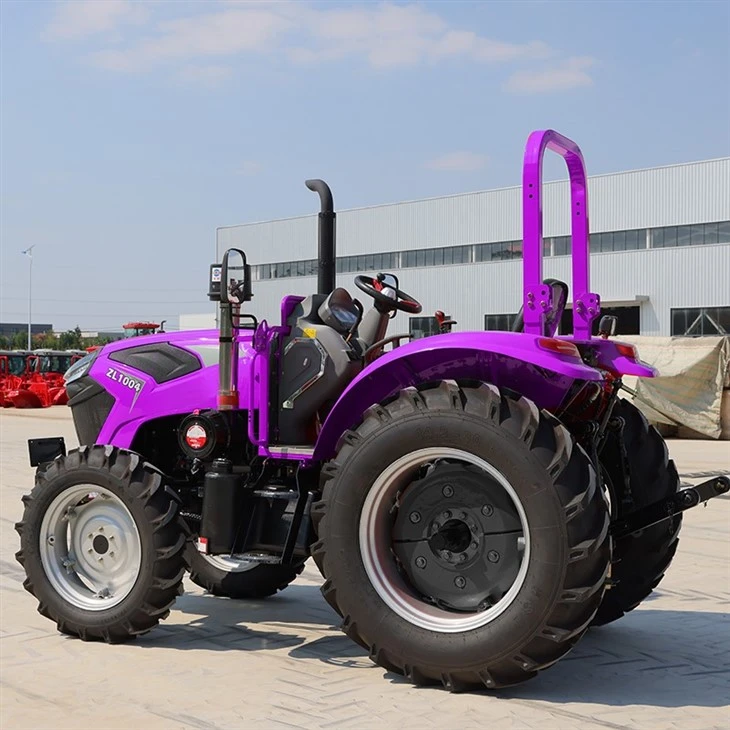
If you're interested in exploring other tractor models, we recommend checking out our Best Mid Size Utility Tractor and Blue 60hp Farm Tractor. These tractors offer a range of features and power options to suit different farming needs. For a broader selection of machinery and farm tractors, visit our Machinery And Farm Tractors page.

Contact for Purchase
We are committed to providing high - quality 4wd 40hp Farm Tractors and excellent customer service. If you're interested in purchasing a tractor or have any questions about belt maintenance or other tractor - related topics, please feel free to contact us. We'll be happy to assist you with your purchase and answer any of your queries.
References
- Tractor Owner's Manual: The owner's manual for your specific 4wd 40hp Farm Tractor is the most reliable source of information regarding belt tension adjustment and other maintenance procedures.
- Belt Tension Gauge Instructions: The instructions provided with your belt tension gauge will help you take accurate measurements and ensure proper adjustment.


