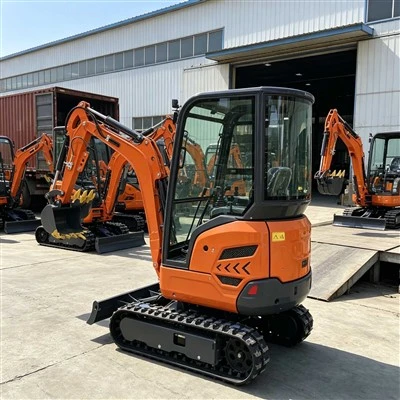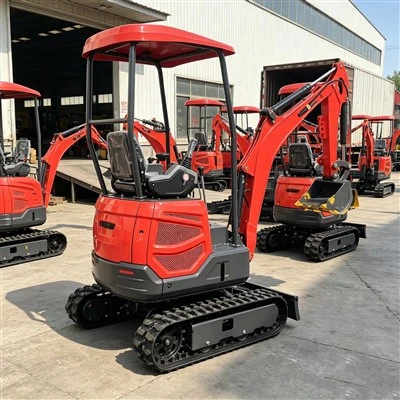
At its heart, a tractor works by converting engine power into controlled, high-torque force-the key to its ability to pull heavy loads, power attachments, and tackle tough terrain that ordinary vehicles can't handle. Unlike cars or trucks built for speed, tractors are engineered for slow, steady power, with a unique mechanical and hydraulic system that delivers maximum force to the wheels and implement connections (e.g., hitches, PTO).
Every component works together to turn fuel into usable work, making it the ultimate workhorse for farms, construction sites, and rural projects.

The Core 4-Step Working Process (Simple & Easy to Understand)
Tractors follow a straightforward power flow-no complex jargon, just pure, practical functionality:
Fuel to Engine Power
The tractor's internal combustion engine (gasoline or diesel, the most common for durability) burns fuel to create mechanical energy. Tractors use diesel engines for most models (a key selling point!) because they deliver more torque, use fuel more efficiently, and stand up to hours of heavy use-perfect for all-day farming/working.
Power to Transmission & Axles
The engine's energy moves to a heavy-duty transmission system (designed for low speeds and high force, not acceleration). The transmission adjusts power output and transfers it to the axles, which turn the tractor's large, traction-focused rear wheels (the main source of pulling power).
Traction for Terrain Grip
The tractor's large, deep-treaded tires (or tracks for extra mud/slope grip) use the transferred power to create.
maximum traction with the ground. Unlike narrow vehicle tires, tractor tires spread weight and dig into soft/muddy/rocky terrain-so it never gets stuck and maintains steady movement, even on the roughest land.
Power to Attachments (The "Multi-Function" Magic)Extra engine power is sent to two critical systems for attachments-PTO (Power Take-Off) and hydraulics:
PTO: A rotating shaft that connects directly to tools like plows, mowers, and seeders, powering their movement (no separate motor needed for attachments!).
Hydraulics: A fluid-powered system that controls lifting, lowering, and tilting for front-end loaders, backhoes, and spreaders-giving you precise control over heavy lifting and task execution.

Key Special Features That Make Tractors Work Better (Marketing Highlight)
What sets tractors apart from other power vehicles is their purpose-built design for hard work-these features are why they're irreplaceable, and core selling points for your product:
High Torque, Low Speed: Torque is the "pulling force"-tractors prioritize this over speed, so they can pull plows through hard soil, haul heavy hay bales, or tow loaded trailers with ease.
Rear-Wheel Drive (or 4WD): Most tractors use rear-wheel drive for primary pulling power; 4WD (four-wheel drive) (a premium feature) adds grip to front wheels, perfect for steep slopes, mud, or loose gravel-ideal for Southeast Asia/Africa's rough terrain and Europe/North America's large, varied farmland.
Three-Point Hitch: A universal connection system at the rear that locks attachments (plows, harrows) in place and keeps them level with the ground-ensures smooth, efficient work and easy attachment changes (takes minutes, no tools needed!).
Hydraulic Power Steering: Makes maneuvering large, heavy tractors effortless-even for first-time users, a key benefit for smallholder farmers and part-time landowners.

Why This Design Matters for You (User-Centric Value)
Every part of a tractor's working system is built for your productivity and ease. No more wasting energy on manual labor-your tractor does the heavy lifting by turning fuel into reliable, controllable power.
Whether you're plowing a small plot in Vietnam, harvesting a large farm in the US, or building a rural road in Kenya, the tractor's engineered power flow means faster work, less effort, and more results-all day, every day.