

Intelligent tractor technology redefines traditional farming operations by driving automation, precision, data-driven decision-making, and interconnected coordination across the entire agricultural workflow-from plowing and sowing to fertilization and harvest. It breaks through the core limitations of conventional farming (e.g., labor shortages, human operational errors, time constraints, and inefficient resource use) and boosts production efficiency at every level: from single-machine operational output to farm-wide fleet management, resource allocation, and field work optimization.
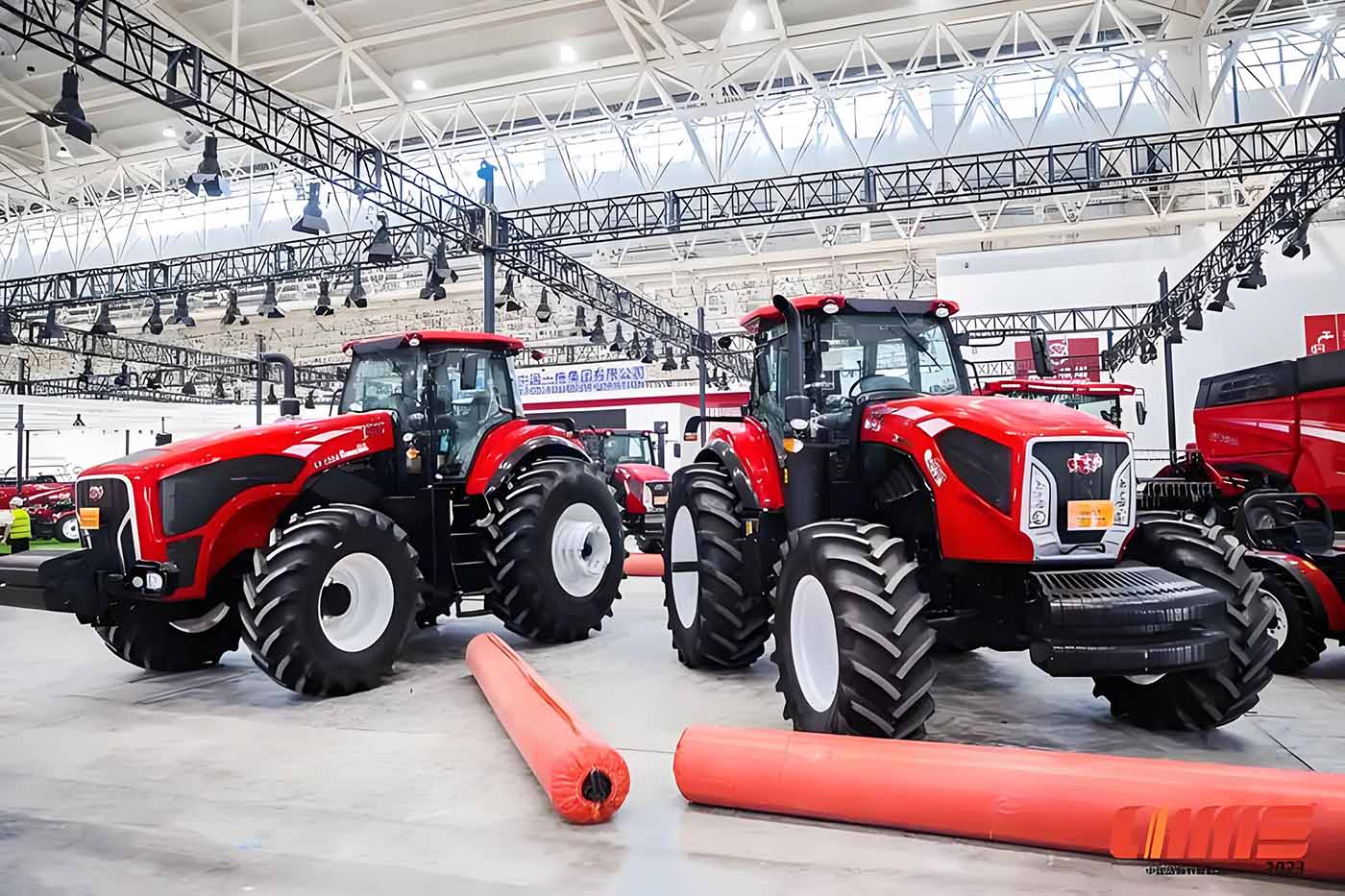
Below is a detailed, technology-focused breakdown of its key efficiency-boosting mechanisms, paired with measurable real-world performance outcomes and core technical applications.
1. Autonomous & Unmanned Operation: Break Labor and Time Barriers for Non-Stop Work
This is the most transformative efficiency driver for intelligent tractors, solving the industry's pain points of high labor costs, skilled operator shortages, and work time limited by human rest schedules-a critical issue especially during peak farming seasons (planting/harvesting windows).
Core Technologies
GPS RTK centimeter-level auto-steering (2–3 cm positioning accuracy).
LiDAR obstacle detection + computer vision for real-time environmental perception.
Remote unmanned operation (mobile/desktop control) and unattended field work.
Automatic implement hitching (for seeders, spreaders, and harvesters).
Efficiency-Boosting Impacts
Enables 24/7 continuous field operations: Utilizes off-hours (dawn, night, weekends) that traditional manual driving cannot cover, doubling the daily work volume of a single tractor (e.g., plowing 800 acres/day vs. 300–400 acres for conventional tractors).
Reduces labor demand drastically: 1 farm manager can remotely monitor and control 3–5 intelligent tractors simultaneously, cutting field labor costs by 30–50% for large-scale farms.
Eliminates fatigue-related operational pauses: Avoids work interruptions from human fatigue, ensuring consistent work speed and output throughout the operation.
2. Precision Farming Operations: Eliminate Human Errors and Achieve "Need-Based" Work
Conventional manual tractor operation often leads to overlapping plowing, missed seeding, uneven fertilizer/pesticide application, and inconsistent sowing depth-all of which waste resources, cause uneven crop growth, and indirectly reduce yields. Intelligent tractors eliminate these errors with precision control technology, turning "extensive farming" into "precision farming".

Core Technologies
Variable Rate Technology (VRT): Adjusts seeding, fertilization, and irrigation rates in real time based on soil nutrient/moisture maps.
Section Control: Automatically shuts off implements (spreaders/seeders) on headlands, waterways, or already worked areas.
On-board soil and crop sensors: Real-time detection of soil pH, nutrient content, and crop growth status.
Efficiency-Boosting Impacts
Eliminates overlapping and missed work: Reduces field operation errors to near zero, saving 10–15% of seed and 15–30% of fertilizers/pesticides by avoiding waste from over-application.
Ensures uniform crop growth: Consistent sowing depth, plant spacing, and nutrient delivery lead to a more uniform crop stand, increasing the effective harvest rate and raising overall field yields by 8–20%.
Improves operation quality: Precision plowing reduces soil compaction and optimizes seedbed conditions, laying a foundation for higher crop germination and growth rates.
3. Data-Driven Fleet & Field Management: Minimize Downtime and Optimize Resource Allocation
Intelligent tractors are not just "smart machines"-they are data collection and transmission nodes integrated with the Internet of Things (IoT). The real-time data they generate transforms farm management from "experience-based" to "data-based", eliminating inefficiencies from blind equipment scheduling and delayed fault handling.
Core Technologies
IoT telematics and on-board sensors: Real-time monitoring of engine status, fuel consumption, work speed, and implement performance.
Cloud-based farm management platforms: Centralized data storage, analysis, and fleet scheduling.
Predictive maintenance algorithms: Early warning of equipment failures (e.g., engine malfunctions, implement wear).

Efficiency-Boosting Impacts
Optimizes fleet scheduling: The cloud platform visualizes the work status and location of all tractors, improving farm equipment dispatch efficiency by 40% and avoiding idle time or redundant work.
Reduces unplanned downtime: Predictive maintenance alerts enable proactive repairs (instead of reactive fixes), cutting equipment failure downtime by 60% and ensuring uninterrupted peak-season operations.
Lowers operational costs: Real-time fuel consumption monitoring and optimized route planning reduce tractor fuel use by 10–20% and extend the service life of engines/implements by reducing unnecessary wear.
4. Interconnected Machinery Coordination: Streamline the Entire Workflow for Synergistic Efficiency
Farming efficiency is not just determined by a single tractor's performance, but by the coordination efficiency of the entire machinery fleet (e.g., tractors, harvesters, grain carts, and sprayers). Intelligent tractor technology enables seamless interconnection and automatic collaboration between different agricultural machines, eliminating waiting time and workflow bottlenecks.
Core Technologies
IoT-enabled machine-to-machine (M2M) communication
Real-time synchronization of work data between tractors and supporting equipment
Automatic docking and speed matching (e.g., tractors with grain carts during harvest)
Efficiency-Boosting Impacts
Eliminates manual coordination delays: For example, autonomous grain carts (towed by intelligent tractors) automatically match the speed and position of harvesters, increasing harvest efficiency by 30% by eliminating waiting time for cart positioning.
Streamlines multi-step field work: Plowing, sowing, and fertilization can be completed in a single pass with an intelligent tractor and integrated implements, reducing the number of field trips by 50% and cutting soil compaction and fuel consumption.
5. Intelligent Work Scheduling: Optimize Operation Timing for Maximum Crop Yield
Efficiency in agriculture is not just about "how fast work is done", but also "when work is done"-planting, fertilization, and irrigation at the optimal agronomic time directly determines crop yield and quality. Intelligent tractor technology integrates multi-source data to enable scientific, timely field operations, avoiding yield losses from missed optimal windows.
Core Technologies
Integration of real-time weather, soil, and crop growth data
AI-powered agronomic decision-making algorithms
Pre-set automatic work schedules based on environmental conditions
Efficiency-Boosting Impacts
Identifies the optimal operation window: Automatically adjusts planting/fertilization time based on rainfall, temperature, and soil moisture forecasts, avoiding yield losses from early/late operations (a common issue in traditional farming).
Enables rapid response to weather changes: For example, intelligent tractors can complete sowing or pesticide application in a short window before rainfall, reducing yield losses caused by adverse weather by 20–35%.
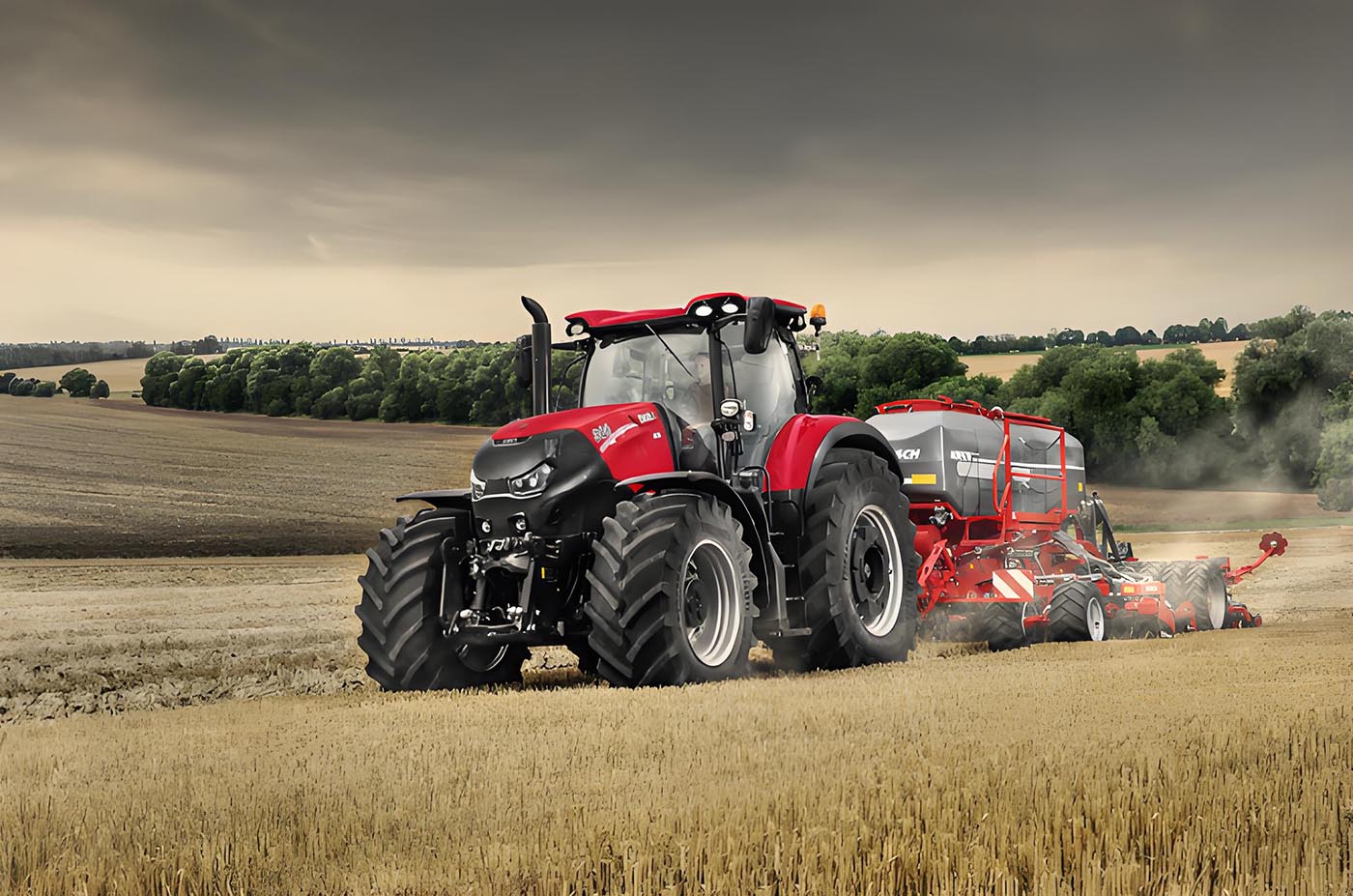
Key Summary: Holistic Efficiency Gains Beyond Single-Machine Performance
Intelligent tractor technology does not just boost the operational efficiency of a single piece of equipment-it achieves end-to-end lean management of the entire farm production process. Its cumulative effects translate to:
30–50% lower overall farming labor costs.
10–30% reduced consumption of seeds, fertilizers, and fuel.
20–40% higher daily operational output for farm fleets.
8–20% increase in overall field yields (driven by precision and optimal resource use).
60% reduction in unplanned equipment downtime.
Crucially, this technology is scalable for all farming scales: it empowers large industrial farms with high-volume, 24/7 autonomous operations, and also provides smallholder farmers with affordable precision solutions (e.g., low-cost auto-steering retrofits, mobile-based data monitoring). By improving resource utilization efficiency and reducing production waste while boosting output, intelligent tractor technology delivers both economic efficiency (higher farm profits) and agronomic efficiency (sustainable crop production)-a key enabler for addressing global food security challenges and advancing modern agriculture.


