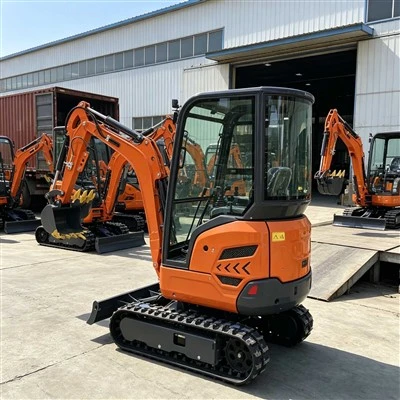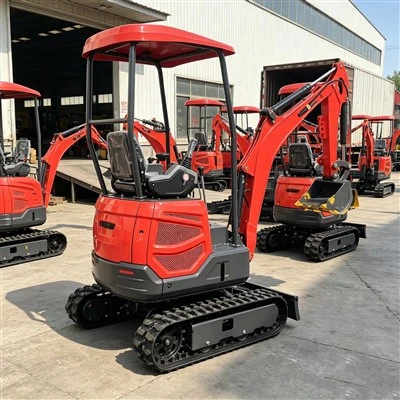
As the core agricultural production area of my country, the central region bears the important mission of ensuring food security and promoting agricultural modernization. In recent years, the Central China Agricultural Machinery Exhibition, held primarily in Wuhan (Hubei), Nanchang (Jiangxi), and Changsha (Hunan), has become a core platform for showcasing new agricultural machinery technologies, promoting supply and demand matching, and leading the upgrading of regional agricultural mechanization, thanks to its positioning of "based in Central China, radiating across the country, and connecting internationally."
These three exhibitions, each with its own characteristics yet complementing each other, outline a clear path for the high-quality development of the agricultural machinery industry in Central China, centered around the core directions of "intelligentization, greening, and full-process automation."

From February 28th to March 2nd, 2025, the 19th Central China Agricultural Machinery Exhibition opened at the Wuhan International Expo Center. As the first major agricultural machinery event of spring, it precisely met the needs of spring plowing and preparation in Hubei and surrounding areas.
The exhibition, guided by the Hubei Provincial Department of Agriculture and Rural Affairs and jointly organized by the Hubei Provincial Agricultural Machinery Appraisal Station and other professional institutions, adheres to the theme of "Technology Empowering Smart Agriculture, Innovation Assisting Modern Agricultural Machinery" and takes "Serving the Grassroots, Diligent and Pragmatic, and Serving Agriculture, Rural Areas, and Farmers" as its core spirit. It aims to create a comprehensive platform integrating exhibition demonstrations, trade cooperation, and technical exchanges.
The exhibition area covers multiple halls, with exhibits encompassing 14 core categories, ranging from new energy agricultural machinery (electric, solar, and hydrogen-powered models), smart agricultural equipment (5G digital agricultural equipment, unmanned driving equipment) to specialized machinery for hilly and mountainous areas, grain and oil processing machinery, and livestock breeding equipment, achieving full coverage of the agricultural production chain from "plowing, planting, management, harvesting, processing, and storage."
Given the hilly and mountainous terrain and diverse crop types in central China, the exhibition specifically focuses on equipment in niche areas such as mountain tractors, precision seeders, and orchard pruning machines, precisely addressing regional production pain points.

Themed "New Equipment, New Technology, New Business Models," this year's exhibition covered 70,000 square meters, bringing together nearly 350 enterprises from across the country and showcasing over 2,800 agricultural machinery products, covering all aspects of production, including sowing, fertilization, irrigation, harvesting, and transportation.
The exhibition attracted 42,000 on-site visitors and over 10 million online visits. Tens of thousands of agricultural machinery and supplies were intended for sale, with a total transaction value exceeding 500 million yuan, representing steady growth compared to the previous year and fully demonstrating the exhibition's strong commercial conversion capabilities.
The active participation of overseas purchasing delegations further accelerated the entry of "Jiangxi-made" agricultural machinery into international markets such as Tanzania, Iran, and Vietnam.
At the 23rd China Central (Hunan) Agricultural Expo (October 28 - November 1, Changsha International Convention and Exhibition Center), the agricultural machinery sector was a core highlight. Leading enterprises, represented by Zoomlion, showcased intelligent agricultural machinery and smart agriculture solutions, creating a synergistic effect of "agriculture driving machinery and machinery revitalizing agriculture."
The expo focused on the intelligent upgrading of the entire process of crop cultivation-"plowing, planting, and harvesting"-highlighting the achievements of digital, intelligent, and green transformation, providing technical references for the modernization of agriculture in Central China.

The Central China Agricultural Machinery Expo comprehensively demonstrated the trend of "integrated hardware and software" development, with intelligent equipment becoming the focus of the entire event: Unmanned field operations:
Zoomlion's 2ZPY-13G orderly rice transplanter, launched at the Hunan Agricultural Expo, has an operating efficiency of 15 mu/hour, 10 times that of manual transplanting. It can be equipped with automatic driving and automatic seedling feeding systems, reducing seed consumption by 30%, and eliminating the seedling regreening period, significantly improving production efficiency and yield. The 5G digital agriculture equipment and driverless tractors showcased at the Wuhan exhibition enable precise positioning and programmed operations, allowing farmers to "farm without going to the fields."
Digital platform empowerment: Zoomlion's smart agriculture cloud platform constructs a five-in-one data collection system integrating "sky, air, ground, people, and machines," achieving precise decision-making and quality traceability throughout the entire process of plowing, planting, management, and harvesting. It has already been used to build smart farms in multiple locations, including the Xidongting Management Area in Hunan Province, and has cultivated the "Digital Hunan Rice" brand.
The agricultural machinery data management system launched by companies at the Jiangxi exhibition can monitor equipment operating status in real time and generate production reports, providing farmers with scientific planting guidance.
Segmented application: Targeting the terrain characteristics of the hilly and mountainous areas in central China, the Wuhan and Jiangxi exhibitions focused on showcasing specialized equipment such as micro-tillers, mountain irrigation and fertilization equipment, and orchard tillers; the Hunan exhibition focused on the grain and oil and livestock sectors, launching complete sets of equipment for intelligent feeding and livestock waste treatment, filling the mechanization gaps in specific application scenarios.
The Jiangxi exhibition attracted overseas purchasing delegations from Tanzania, Iran, Vietnam, and other countries for business negotiations, while the Wuhan exhibition invited dealers and traders from Southeast Asian countries to participate, helping "Made in Central China" agricultural machinery expand into the international market and promoting the dual efforts of "going global" and "bringing in" to the agricultural machinery industry.

The continued holding of the Central China Agricultural Machinery Exhibition not only provides solid equipment support for spring plowing in the region but also serves as an "accelerator" for the transformation and upgrading of the agricultural machinery industry.
By showcasing intelligent and green agricultural machinery achievements, the exhibition effectively addresses the mechanization challenges in the hilly and mountainous areas of Central China, contributing to food security and the implementation of rural revitalization strategies.
The precise supply and demand matching model not only activates the consumption potential of the agricultural machinery market but also points the way for enterprise technological innovation.
In the future, the Central China Agricultural Machinery Exhibition will continue to deepen its core positioning of "empowering agriculture with science and technology and serving rural areas," focusing on cultivating new agricultural productivity, further strengthening regional collaboration, and promoting resource sharing and complementary advantages among the three major exhibitions in Hubei, Jiangxi, and Hunan. It will continue to cultivate the intelligent, green, and international sectors, increasing the display of specialized equipment for hilly and mountainous areas, new energy agricultural machinery, and smart agriculture solutions. It will also improve supporting services such as policy coordination, technology exchange, and trade cooperation, creating a more influential ecological platform for the Central China agricultural machinery industry and injecting stronger momentum into agricultural modernization.