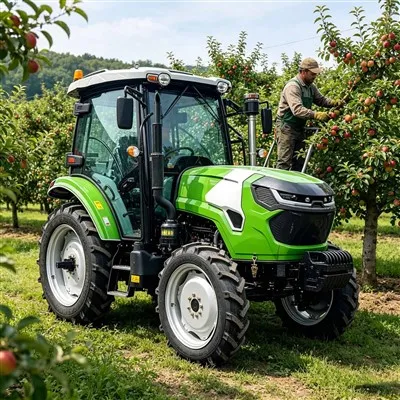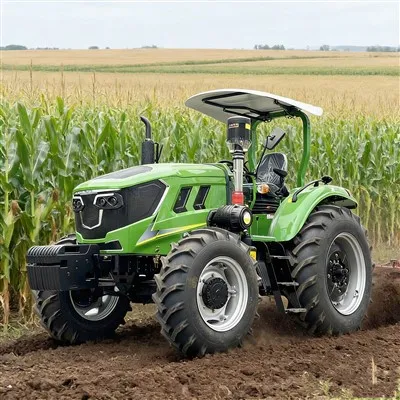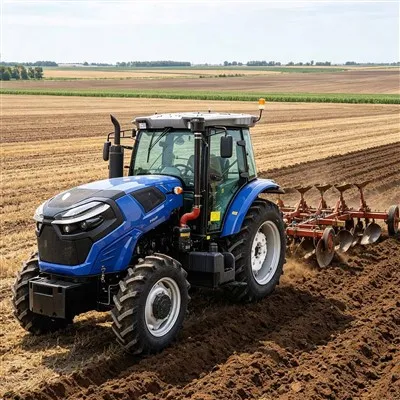
Tractors are the "workhorses" of a farm, serving as versatile, multi-purpose machines that power or perform a wide range of essential agricultural tasks.
Their role varies by season, crop type, and farm size, but core functions can be grouped into several key categories:
1. Soil Preparation: Getting Fields Ready for Planting
Before seeds go into the ground, tractors prepare soil to be fertile, loose, and free of obstacles-critical for healthy root growth. Common tasks here include:
Plowing: Pulling a plow (a metal implement) to turn over topsoil, bury weeds/dead crop residue, and mix in nutrients (e.g., manure or fertilizer). This aerates the soil and breaks up hard layers.
Tilling/Harrowing: Using a tiller or harrow to further break down clods of soil into a fine, smooth "seedbed"-ideal for small seeds (like wheat or vegetables) to take root.
Leveling: Pulling a leveler to smooth uneven soil, ensuring water distributes evenly during irrigation and preventing crop drowning in low spots.

2. Planting: Sowing Seeds or Transplanting Crops
Tractors automate and speed up planting, ensuring seeds are placed at the correct depth and spacing (which boosts germination rates and crop yield). Key tasks:
Direct Seeding: Pulling a planter (e.g., a corn planter, wheat drill) that meters out seeds one by one and drops them into furrows (small trenches) in the soil.
Some planters even cover seeds with soil automatically.
Transplanting: For crops like tomatoes, lettuce, or rice, tractors may pull transplanters that place young seedlings (grown in nurseries) into the field-faster and more consistent than manual planting.
Fertilizer/Herbicide Application During Planting: Many planters have attachments to apply starter fertilizer (nutrients for young plants) or pre-emergent herbicides (to kill weeds before they sprout) at the same time as seeding.
3. Crop Care: Maintaining Healthy Growth
Once crops are growing, tractors help protect them from weeds, pests, and nutrient deficiencies, and ensure they get enough water. Tasks include:
Irrigation Support: Pulling or powering irrigation equipment, such as center-pivot systems (large, rotating sprinklers) or hose reels, to distribute water evenly across fields-especially critical in dry regions.
Weed Control: Pulling cultivators (tools with metal tines) to uproot weeds between crop rows without damaging plants. Tractors also pull sprayers to apply herbicides (chemical or organic) to kill weeds, or pesticides to target insects/diseases.
Fertilizer Top-Dressing: Pulling fertilizer spreaders (broadcast or drop-type) to add extra nutrients (e.g., nitrogen) to growing crops, which supports leaf and fruit development.
4. Harvesting: Gathering Ripe Crops
During harvest season, tractors are essential for collecting and moving crops efficiently.
Their roles here include:
Pulling Harvest Implements: Tractors power or tow tools like combines (for grains like wheat, corn, or soybeans-combines cut, thresh, and clean crops in one pass), forage harvesters (for hay or silage to feed livestock), or cotton pickers.
Hauling Crops: Tractors pull grain carts (to collect grain from combines and transport it to trucks) or wagons (to carry hay bales, vegetables, or fruit from fields to storage barns or processing facilities).
Aiding in Specialty Harvests: For crops like potatoes or carrots, tractors pull diggers that lift tubers/roots out of the soil, making them easy to collect.

5. Livestock Farming: Supporting Animal Care
On farms with cows, pigs, sheep, or poultry, tractors handle tasks related to feeding and maintaining animal habitats:
Feeding Livestock: Pulling feed mixers to combine hay, grain, and supplements into balanced rations, then using feed wagons to deliver food to barns or pastures.
Manure Management: Pulling manure spreaders to collect animal waste from barns and spread it on fields (as a natural fertilizer) or scrapers to clean manure from feedlots.
Pasture Maintenance: Mowing grass with a hay mower (towed by a tractor) to make hay for winter feed, or rotary cutters to clear overgrown areas in pastures.

6. General Farm Maintenance: Keeping the Farm Operational
Beyond crop/livestock tasks, tractors handle everyday upkeep to keep the farm running smoothly:
Hauling Heavy Loads: Using front-end loaders (a common attachment) to lift and move materials like soil, gravel, wood, or farm equipment (e.g., moving a plow from storage to a field).
Clearing Debris: Pulling brush hoggers (heavy-duty cutters) to clear fallen branches, weeds, or debris from fields, roads, or fence lines.
Repairing Infrastructure: Tractors with loaders or backhoes (attachments) help dig trenches for irrigation pipes, repair fence posts, or level ground for new barns or storage areas.
In short, tractors are indispensable because they replace manual labor, save time, and handle tasks that would be impossible (or extremely inefficient) to do by hand-making large-scale farming (and even small-scale operations) feasible.