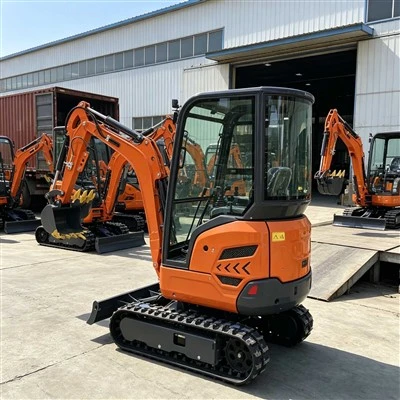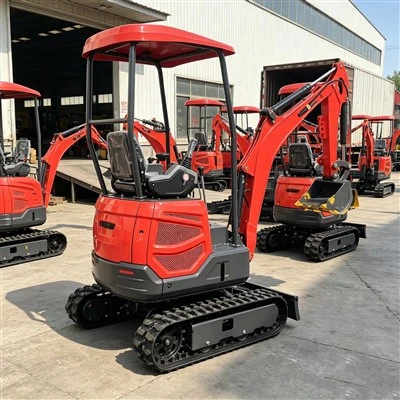
The tractors of Cambodian small farmers are mainly used for cultivation, sowing, harvesting, and field transportation

Cultivation (turning and leveling soil)
Tractors towing plows or rotary tillers for soil turning, loosening, and leveling operations are their most fundamental and frequently used functions. In the preparation stage before the rainy season, tractors often operate continuously for 18 to 24 hours to ensure timely completion of large-scale rice paddies.
Sowing seeds
After being equipped with a seeder, the tractor can achieve strip sowing or hole sowing, significantly improving the uniformity and efficiency of sowing and reducing seed waste. Especially in large rice producing areas such as Battambang Province, mechanized live broadcasting (broadcasting) has gradually replaced manual transplanting. The area around Lake Dongli Sa and the Mekong River plain have deep mud feet and many muddy fields, making tractors the main replacement for oxen.

Harvesting assistance and transportation
Although combine harvesters are responsible for the main harvesting tasks, in complex terrain or small plots, tractors may be attached to small harvesting equipment or used to tow harvesting machinery.
More commonly, it is used as a field transportation tool to transport harvested rice out of the field. On muddy ridges, lightweight hand guided tractors stand out due to their strong power and light weight. Rural roads in Cambodia are poor and there are few trucks, so tractors are mostly household small trucks.
Multi functional modification and localized innovation
Some farmers have independently modified their tractors, such as adding tracks to adapt to swamps, or converting them into "exploration vehicles" to open up channels for subsequent harvesters, demonstrating strong practical adaptability.

Usage characteristics and trends
Small and medium-sized as the main force: In response to small plots and complex terrain, 821 standard tractors and 7943 modified tractors coexist in Kampong Cham Province, reflecting diversified demands.
24/7 high-intensity operation: During the busy farming season, a tractor is often shared by multiple households, with daily operations exceeding 18 hours.
From "production tools" to "income generating assets": Farmers who own tractors not only use them for their own purposes, but also provide paid farming services, forming a micro agricultural machinery service market.