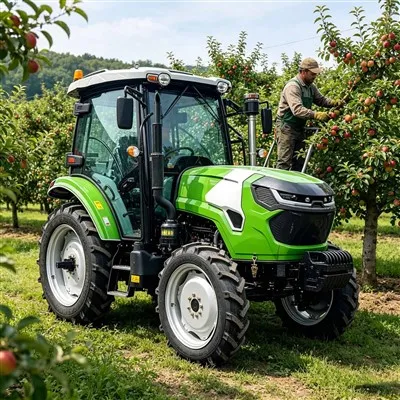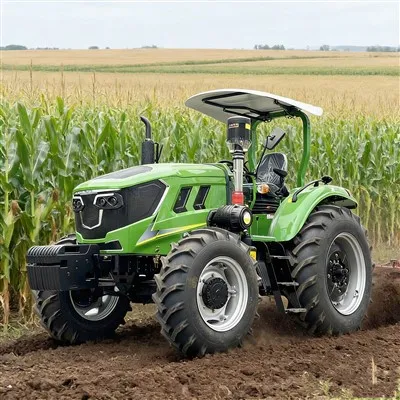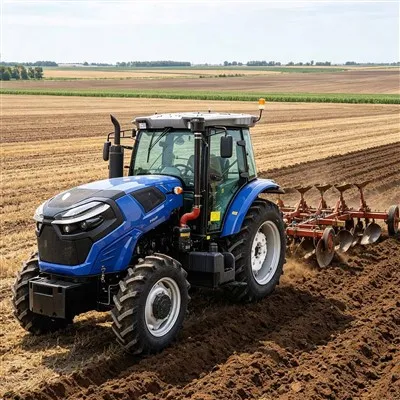
Choosing the right multi-purpose tractor is a critical decision for any farm, as it directly impacts efficiency, productivity, and long-term operational costs. A multi-purpose tractor should seamlessly adapt to various tasks-from plowing and seeding to spraying, hauling, and even light harvesting-while matching your farm's unique needs. Below is a step-by-step guide to help you make an informed choice:
1. Start by Assessing Your Farm's Core Needs
Before diving into specifications, clarify your farm's key requirements. This foundational step ensures you avoid overbuying or investing in a tractor that underperforms.
Farm Size & Scale:
Tractor power (measured in horsepower, HP) correlates closely with farm size. As a general rule:
Small farms (<50 acres): 30–50 HP is sufficient for light tasks like tilling small plots, mowing, or pulling small trailers.
Medium farms (50–200 acres): 50–100 HP works for heavier tasks-plowing larger fields, operating planters, or hauling moderate loads.
Large farms (>200 acres): 100+ HP is necessary for heavy-duty equipment (e.g., large plows, combine harvesters) and high-volume operations.
Primary Tasks:
Even multi-purpose tractors excel at specific jobs. List your top tasks (e.g., tilling, spraying, hauling, livestock feeding) and prioritize features that support them:
Tilling/plowing: Requires high torque and strong traction; look for models with robust rear axles.
Spraying: Needs adequate ground clearance (to avoid crop damage) and a reliable hydraulic system for sprayer attachments.
Hauling: Demands a strong PTO (Power Take-Off) and towing capacity; check the maximum payload rating.

2. Match Power to Tools (Avoid Over/Under-Powering)
A tractor's horsepower must align with the (implements) it will pull-under-powering slows work and strains the engine; over-powering wastes fuel and increases costs.
Calculate Required HP:
Most implements (e.g., plows, seeders) specify a minimum HP requirement. For example:
A 3-bottom plow typically needs 50–70 HP.
A 20-foot sprayer may require 70–90 HP.
Add 10–15% to the highest implement HP requirement to account for hills, heavy soil, or simultaneous use of multiple tools (e.g., pulling a seeder while using a front loader).
PTO Compatibility:
The PTO transfers power from the tractor to implements (e.g., mowers, pumps). Ensure the PTO speed (540 RPM, 1000 RPM, or variable) matches your implements-mismatched speeds can damage tools or reduce efficiency.
3. Prioritize Versatility & Implement Compatibility
The "multi-purpose" label depends on how easily the tractor adapts to tools. Key features to check:

Hydraulic System:
Most implements rely on hydraulics for lifting/operating. Look for:
Sufficient hydraulic flow (measured in GPM, gallons per minute) to power multiple tools (e.g., a front loader + rear sprayer).
Extra hydraulic outlets (quick-connect couplers) for easy attachment swaps.
Hitch System:
Ensure the 3-point hitch (standard for most implements) matches your tools' hitch class (Class 1 for small tractors, Class 2–3 for larger models). A removable hitch pin or adjustable arms adds flexibility.
Brand/Implements Ecosystem:
Some tractor brands (e.g., John Deere, Kubota) design implements specifically for their models, ensuring perfect compatibility. If you already own tools, check if they work with the tractor brand you're considering.
4. Adapt to Terrain & Environment
Your farm's landscape and climate dictate critical design features:
Terrain:
Flat land: 2WD (two-wheel drive) may suffice for cost savings.
Hills/slopes: 4WD (four-wheel drive) is mandatory for traction and stability; look for low-range gears for steep inclines.
Wet/muddy fields: Choose tractors with wide, deep-tread tires (or track systems) to prevent sinking.
Climate/Seasonal Use:
Cold regions: Opt for a tractor with a reliable heating system and cold-weather starting features.
Hot/humid areas: Prioritize cabs with air conditioning and ventilation to reduce operator fatigue.

5. Evaluate Operating Costs & Longevity
A tractor is a long-term investment-consider beyond the sticker price:
Fuel Efficiency:
Modern tractors (e.g., with common-rail diesel engines) offer better fuel economy. Compare fuel consumption rates (e.g., gallons per hour) for similar HP models.
Maintenance & Parts:
Choose brands with a strong local dealer network-easy access to parts and service reduces downtime. Check warranty terms (e.g., 3–5 years for major components).
Resale Value:
Popular brands (e.g., John Deere, New Holland) retain value better than obscure ones, which matters if you plan to upgrade later.
6. Test Comfort & Usability
Operators spend hours on the tractor-comfort directly affects productivity:
Cab Features:
Adjustable seats, ergonomic controls, and good visibility reduce fatigue.
Noise reduction (e.g., insulated cabs) and suspension systems improve comfort during long shifts.
Ease of Use:
Features like power steering, automatic transmission, or digital displays (for monitoring fuel use/engine health) simplify operation, especially for less experienced operators.

7. Final Steps: Test & Consult
Test Drive: Operate the tractor with your key implements to check for smooth performance, proper traction, and easy attachment changes.
Ask Peers: Talk to other farmers with similar operations-their real-world experience can highlight pros/cons of specific models.
Check Subsidies: Many regions offer agricultural equipment subsidies; research local programs to lower costs.
By balancing your farm's size, tasks, and budget with these factors, you'll select a multi-purpose tractor that boosts efficiency and grows with your operation.